
Best Nail Gun Guide: What is a Nail Gun, Uses, Buying Tips & Best Nailers in the UK
On this page21 sections
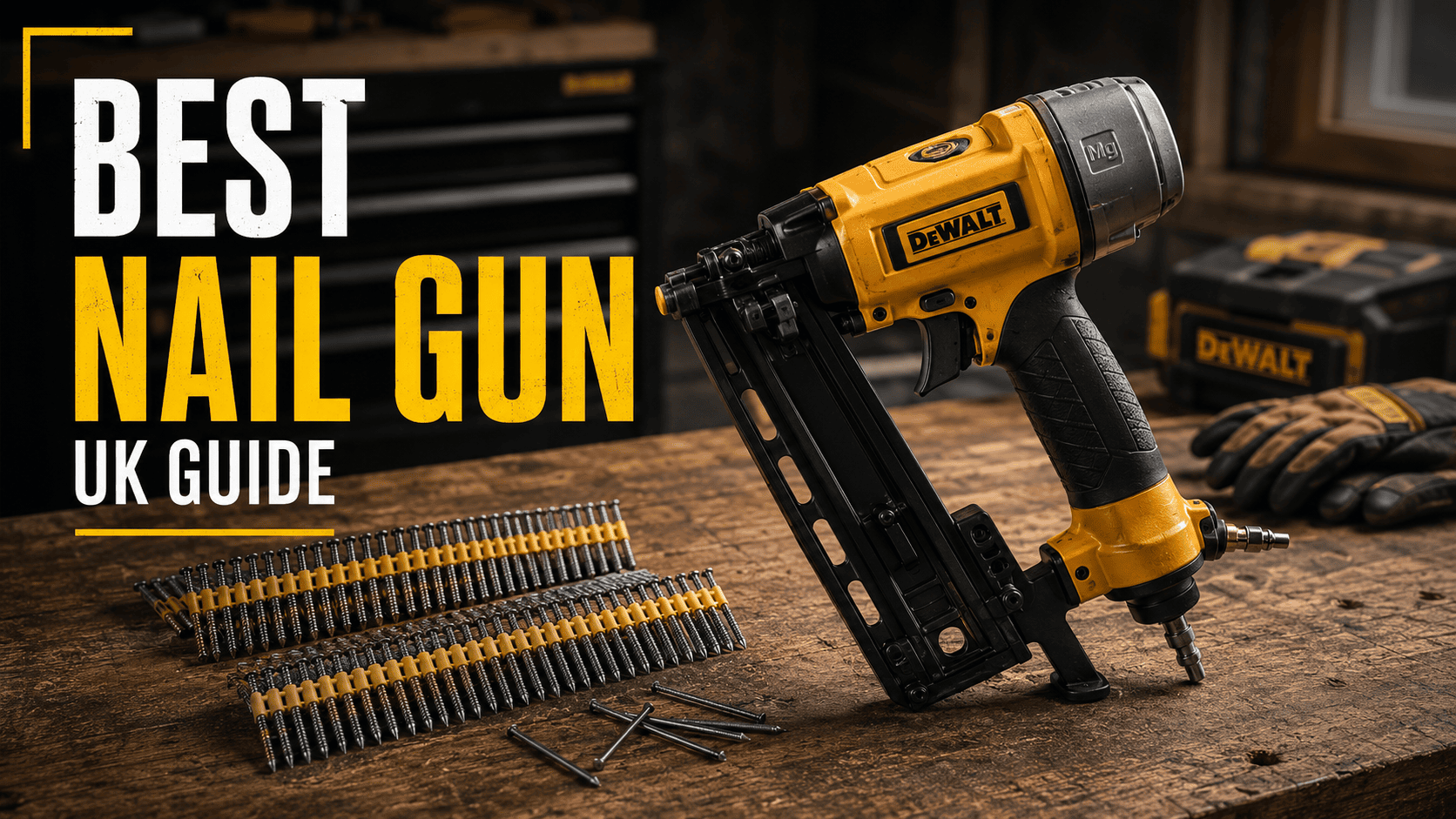
What exactly makes the best nail guns stand out on a busy commercial site? This guide answers what a nail gun setup is, covering air-powered, gas, and cordless options. We compare how many nailers handle different types of gauge nails across structural and finish applications. From picking the best pin nailer for fine architectural mouldings to setting up rapid sequential firing speeds, we provide the technical insights you need before upgrading your primary fastening tools. Read on to learn more!
What is a nail gun?
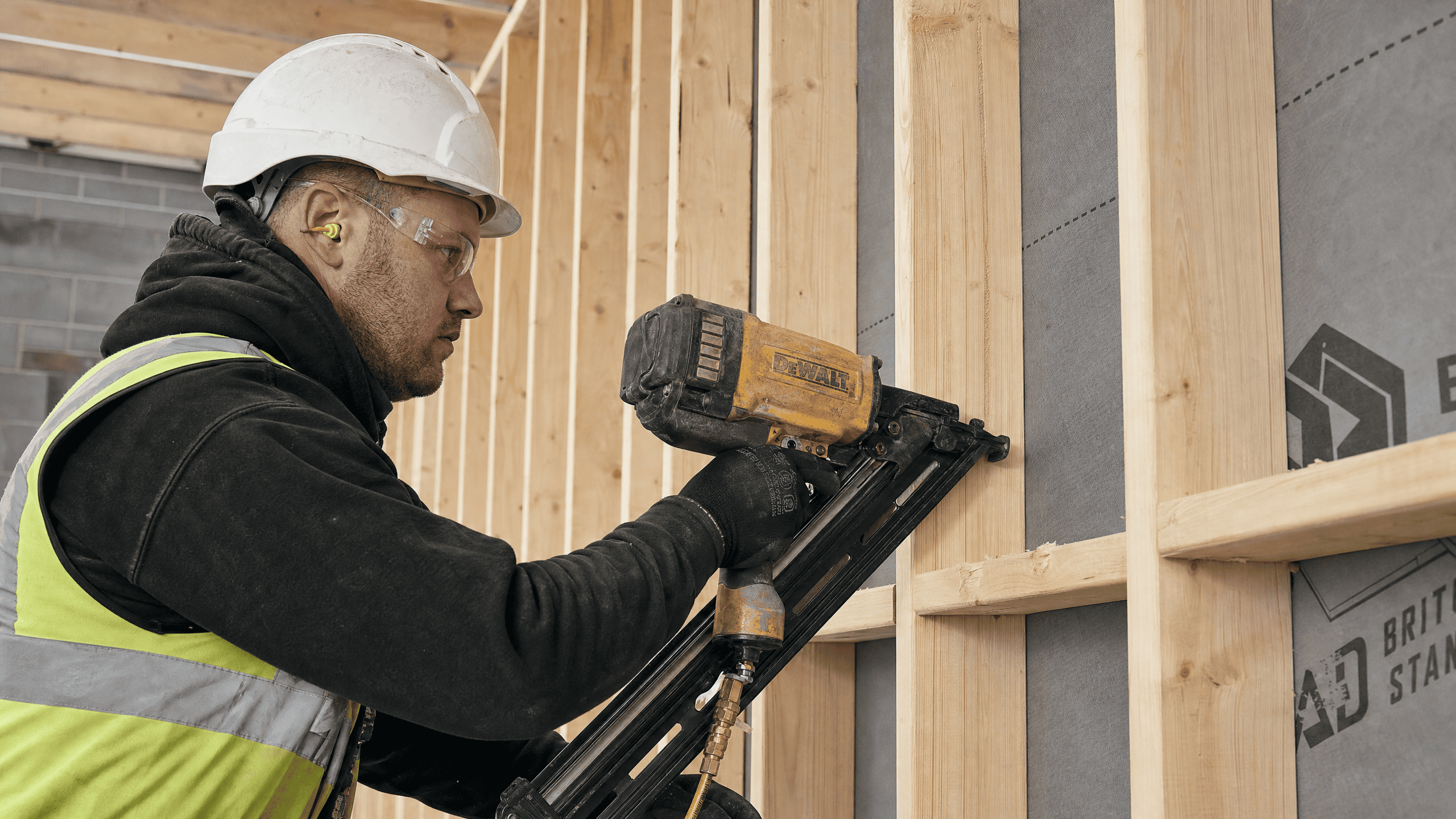
This essential tool automates traditional hammering by using a dedicated power source to drive nails. Designed for joining wood quickly, common nail gun uses range from heavy structural framing nail work to fixing delicate skirting boards on site.
What are the different types of nail guns?
To illustrate the range of nail guns available, we summarise nailers listed on our site:
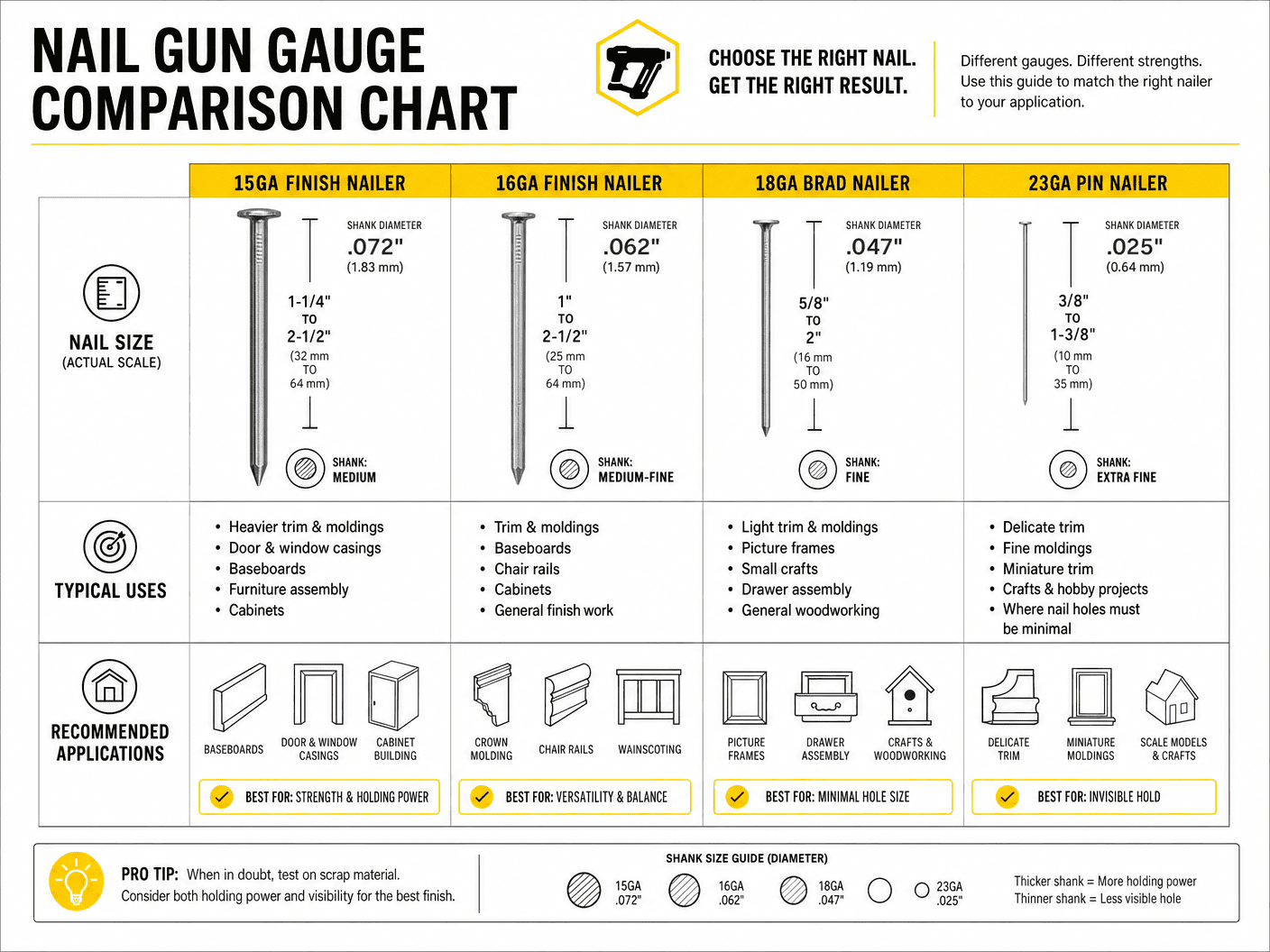
- Brad nail guns – these drive thinner nails (typically 18G to 23G) smoothly to fasten delicate materials without surface splits
- Coil nailers – use these drum-loaded battery-powered tools when you need continuous site production
- Combi nailers – these dual-purpose units are the best nail gun to choose to drive both brads and staples for flexible work
- Corrugated fasteners – these thick, driven plates join tight mitre joints firmly across flat timber framing
- Flooring nailers – these hit angled cleats securely into hardwood floorboards to ensure completely hidden fixings
- Framing nail guns – a solid choice for securing heavy stud work quickly using aggressive bump mode
- Pin nailers – use these for totally invisible holding power on incredibly fine architectural moulding sections
- Plastic nailers – these drive composite pins, which hold firmly and can be easily sawn along the wood grain
- Roofing nailers – designed to secure standard slates and felt firmly against poor external British weather
- Second fix nailers – these typically feature quick depth adjustment dials to set heads perfectly flush
Buying a nail gun – the power options
Compare current power sources before you buy a nail gun, we discuss these below:
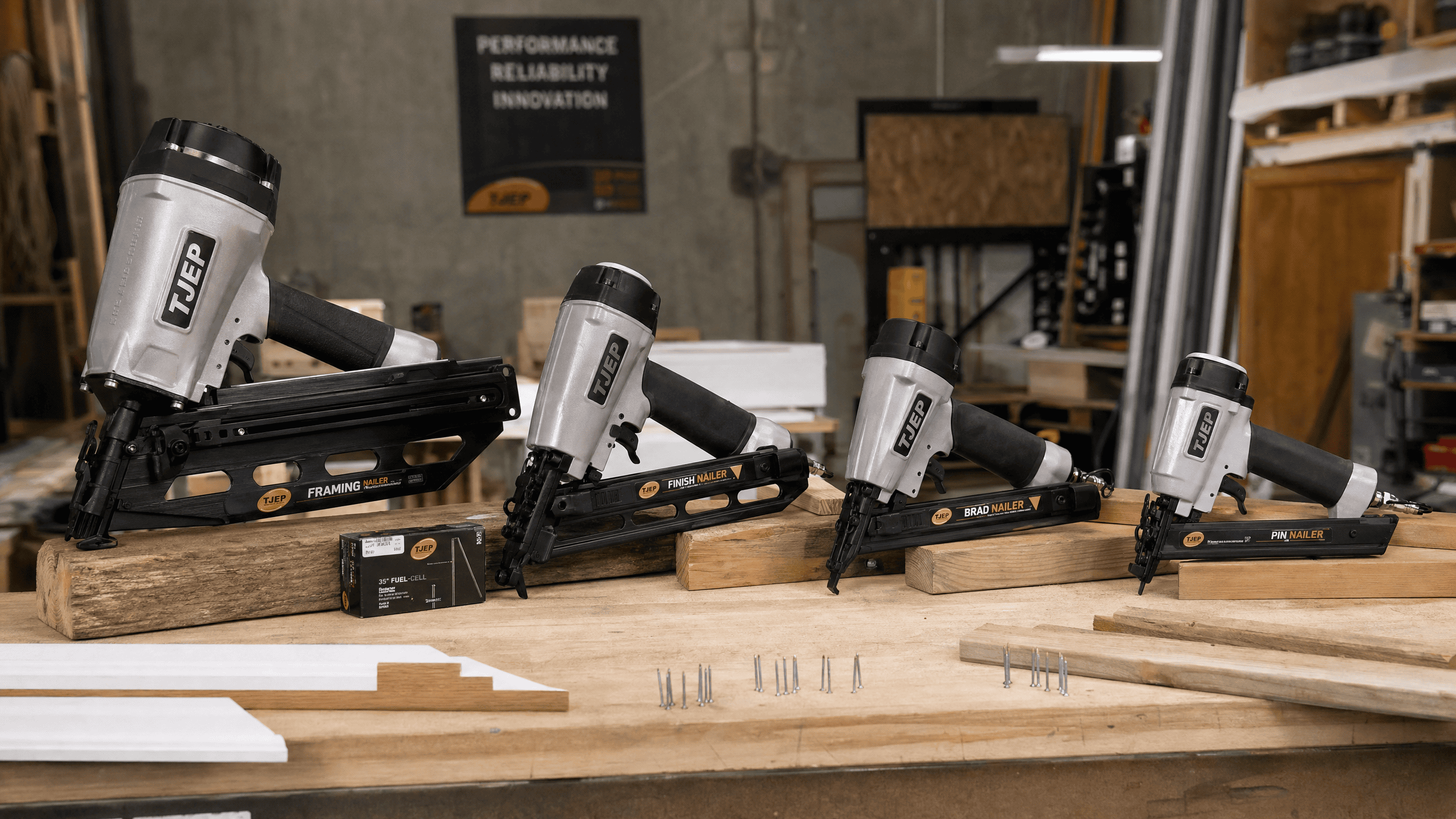
These are just some of the nail gun options available
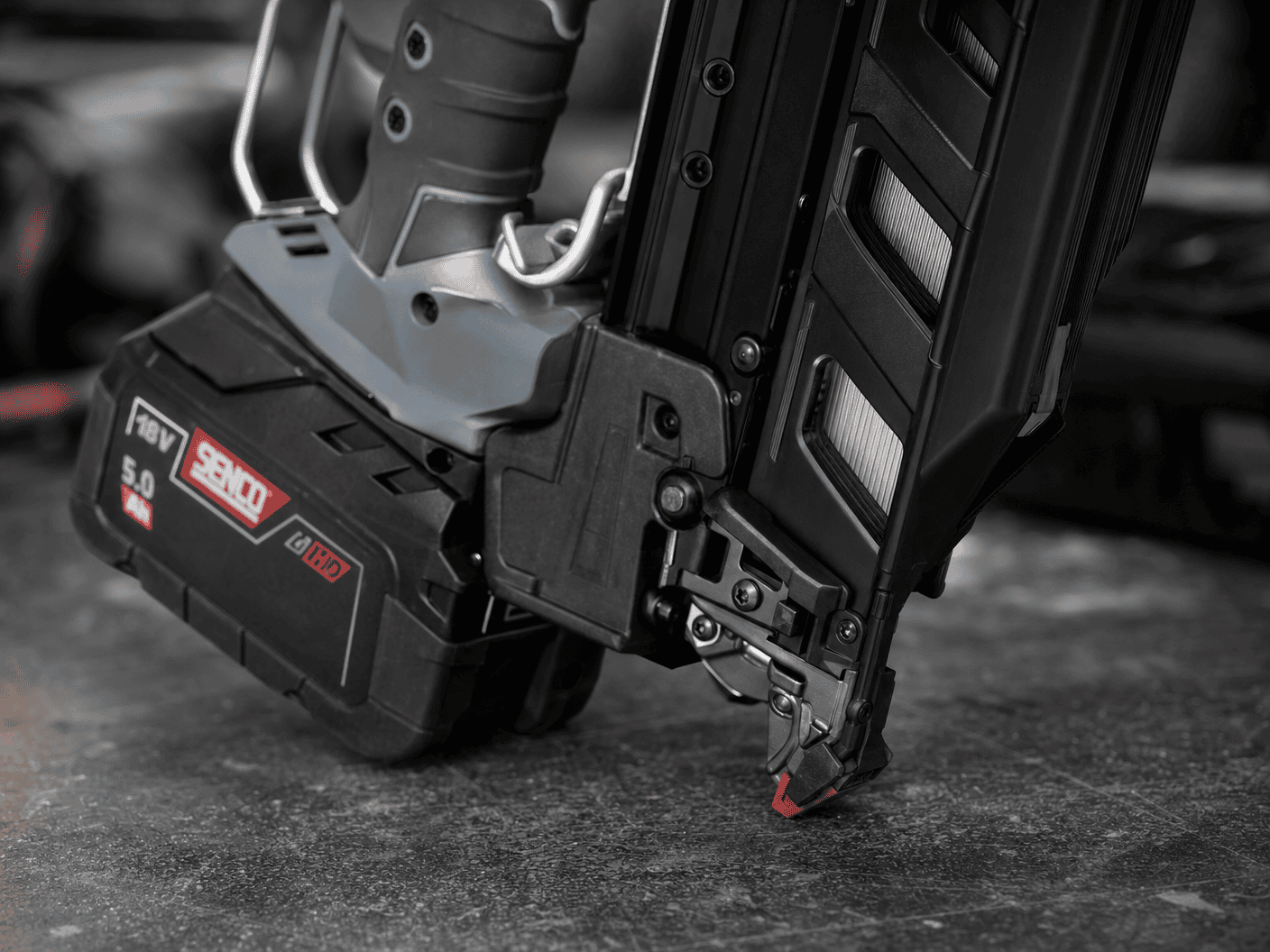
1) Battery-powered (cordless) nail guns
A battery-powered nail gun offers complete freedom on-site. This cordless model lets you carry the tool anywhere, making it a top finish nailer option for internal door frames.
2) Corded electric nailers
These electric nail guns offer constant power without charging downtime. They are great for small woodworking projects at an indoor bench where an extension cable easily reaches your work.
3) Gas-powered (fuel cell + battery) nail guns
This setup mixes a small battery with a fuel cell to fire nails with massive force. It acts as a superb framing nail gun for heavy structural timber tasks.
4) Pneumatic (compressed air) nailers
Connected via an air hose to a site air compressor, these pneumatic nailers are incredibly light. They run smoothly for long periods and handle tough materials all day without slowing down your pace.
Nail gun uses and applications
Here is a summary of just some possibilities for the best nailers, taken from our applications page:
- Carpentry & joinery– brad nailers, finish nailers, and pin nailers for internal timber work
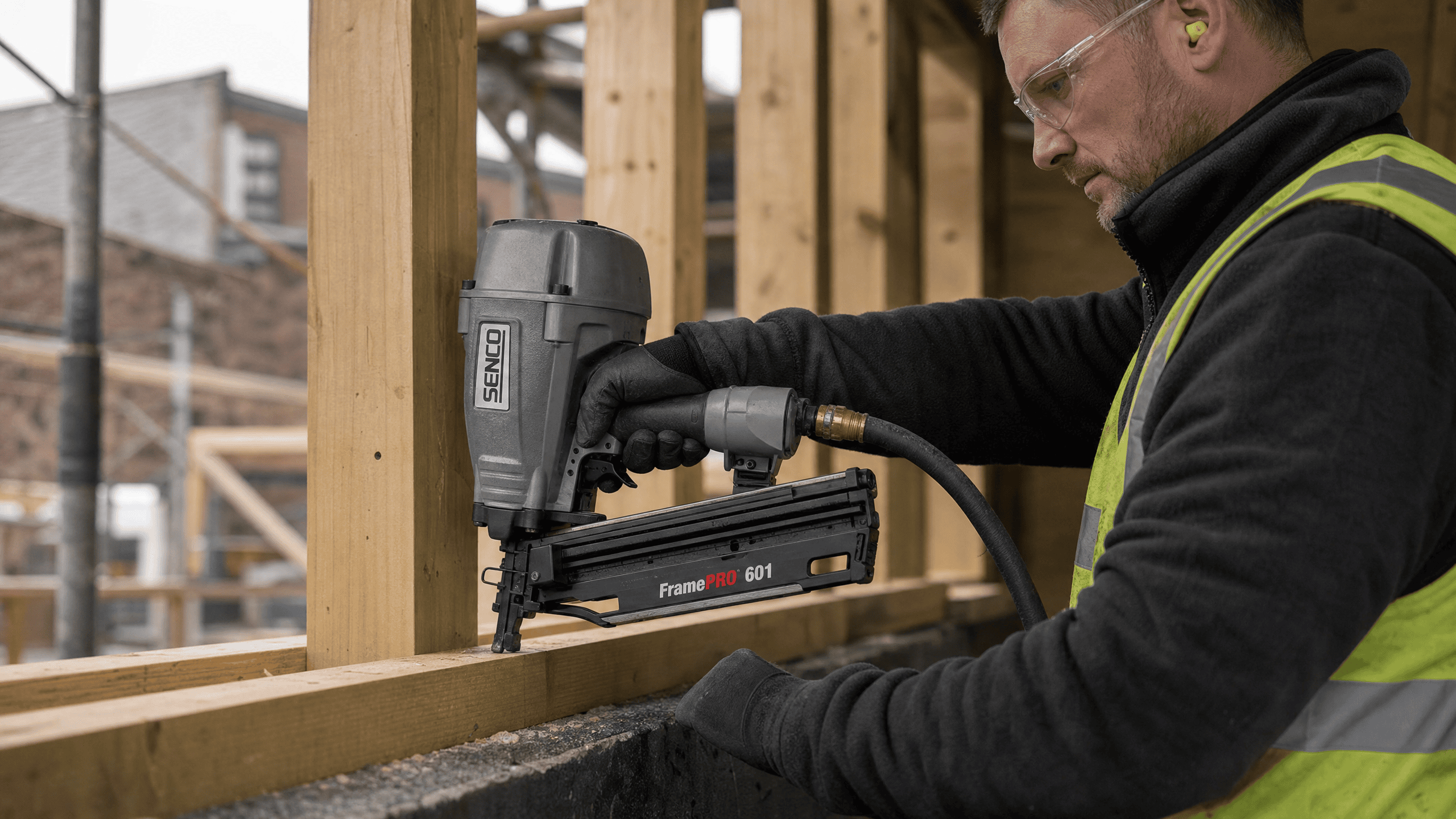
- Construction – first fix framing nailers for structural timber and stud work
- Fencing – heavy-duty coil nailers for continuous featherboard and panel assembly
- Flooring – flooring nailers for secret-nailing tongue and groove boards
- Pallet & Case – industrial coil nailers for high-volume crate and pallet manufacturing)
- Roofing – pneumatic coil roofing nailers for fixing slates, shingles, and breathable felt)
- Shed and garden buildings – coil and strip nailers for fast framing and shiplap cladding assembly
- Timber cladding – stainless steel brad and coil nailers for fixing exterior timber profiles
- Timber frames – heavy-duty framing nail guns used for structural wall panels and roof trusses
Nailer guide – common problems & mistakes to avoid
Avoid these common on-site mistakes when operating the best nail guns.
1) Incorrect fastener selection
Loading the wrong collation angle or gauge causes major damage. Mixing up heavy framing strips with fine brad nails instantly creates a jammed nail that stops your work completely.
2) Inadequate air pressure
Running your air compressor at the incorrect pressure drops tool power. If the pressure is too low, most nailers will leave heads standing proud above the timber face, forcing you to use a manual hammer.
3) Poor maintenance practices
Neglecting daily tool lubrication ruins internal rubber seals quickly. Pouring a few drops of oil down the line keeps the trigger mechanism responsive and ensures a long working life on site.
4) Skipping safety procedures
Never override the nose safety bracket to speed up your work. A vital safety tip for heavy structural framing is to disconnect the power line before clearing any blockages.
5) Wrong depth adjustment
Setting your drive too deep will easily overdrive fixings through thinner materials. Take time to test your shots on offcuts first to protect the finished appearance of your timber work.
Tips for buying the best nailers
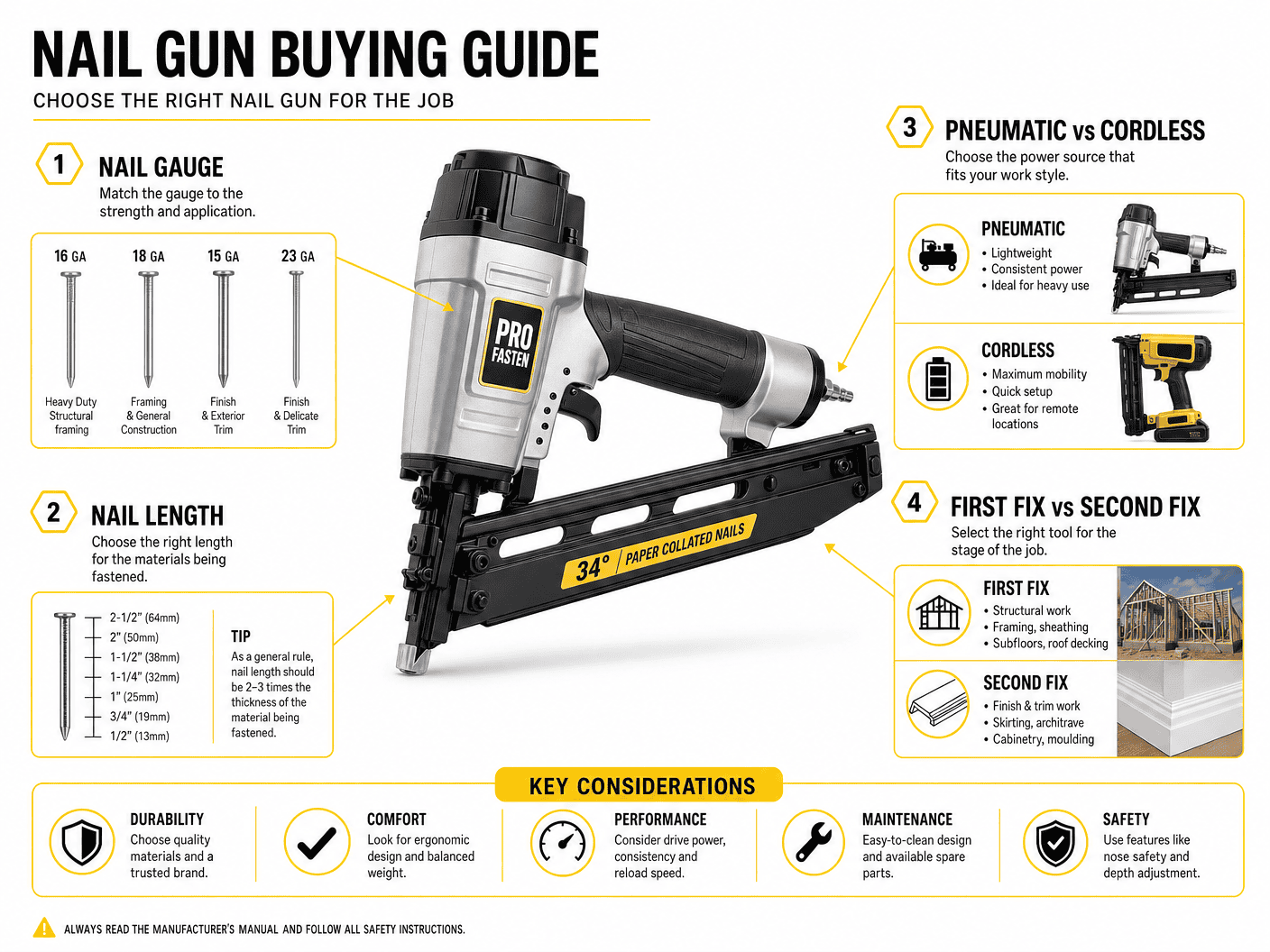
Here are just a few of the best tips for buying the best nail guns:
- Comfort – buy ergonomically designed models with balanced weight
- Job stage – select a first or second fix nailer, depending on where you are in the job
- Maintenance considerations – the best nail guns have an easy-to-clean design and availability of spare parts
- Nail gauge – match the nail gauge to the desired depth and application
- Nail length – choose the right nail length for the materials being fastened
- Power source – choose a power source (e.g. cordless, air, etc.) that suits how you work
- Safety – look for features like nose safety and depth adjustment and always wear PPE
Frequently Asked Questions about the best nailers
Find quick, practical trade answers before buying a nail gun today:
1) What is the best nail gun for beginners?
A user-friendly cordless model is usually the best nail gun for newcomers. It lets you work safely without an air hose, making it perfect for basic woodworking projects inside your own house.
2) Can you use nail guns for professional work?
Professional construction jobs require heavy-duty pneumatic nailers or robust gas tools. They are specifically designed with rapid firing modes and a dry fire lockout feature to protect delicate timber faces on busy commercial sites.
3) How long do the best nail guns typically last?
Industrial-quality tools survive for years if you oil the lines daily. An air-powered unit generally outlasts a battery tool on tough carpentry jobs. Choosing a robust bare tool from trade brands ensures excellent long-term value.
Conclusion
In defining a best nail gun, it is important to understand the purpose you have in mind. Ask yourself why automating traditional hammering by using dedicated power sources (air, electric or battery) to drive collated fasteners into timber is beneficial. When buying a nail gun consider the different types, including framing, coil, brad, pin, flooring, and roofing nailers. The best nail guns work across diverse trade sectors, from carpentry, joinery, and flooring to timber cladding, pallet manufacturing, and roofing.
Common mistakes to avoid include using the incorrect gauge, nail length, or collation angle. Issues like these easily lead to jammed tools and damaged materials. Nail gun uses vary according to the project phase, with heavy structural first-fix nail gun tools being substantially different to precise second-fix finish nailers. A user-friendly cordless model is typically recommended for beginners because it eliminates the restriction of an air hose during basic indoor projects.
Contact us
We hope you have enjoyed reading this nailer guide. Why not discuss buying a nail gun and which would be the best nail guns for your needs with our friendly UK-based team? Our experts have in-depth knowledge and can advise on potential nail gun uses for specific models:
Our contact details are:
- Phone – call 0121 552 8400
- Emails: send these to sales@betcofasteners.com
- Contact form – visit our contact us page to complete the form