
What Is a Coil Nail Gun? Best Coil Nailers & Coil Nailer vs Strip Nailer Explained
On this page9 sections
Heavy structural framing and roof truss fabrication demand dependable mechanical output for your entire trade team. You might ask, “What is a coil nail gun exactly?” before choosing your next system. These robust air tools pack hundreds of nails into a circular drum configuration. The coil nailer vs strip nailer debate highlights critical choices regarding weight and tool size.
Maximising your shop floor productivity depends heavily on choosing the right firing mechanism for your trade toolbox. Reading this article helps you find the correct configuration before you place an order.
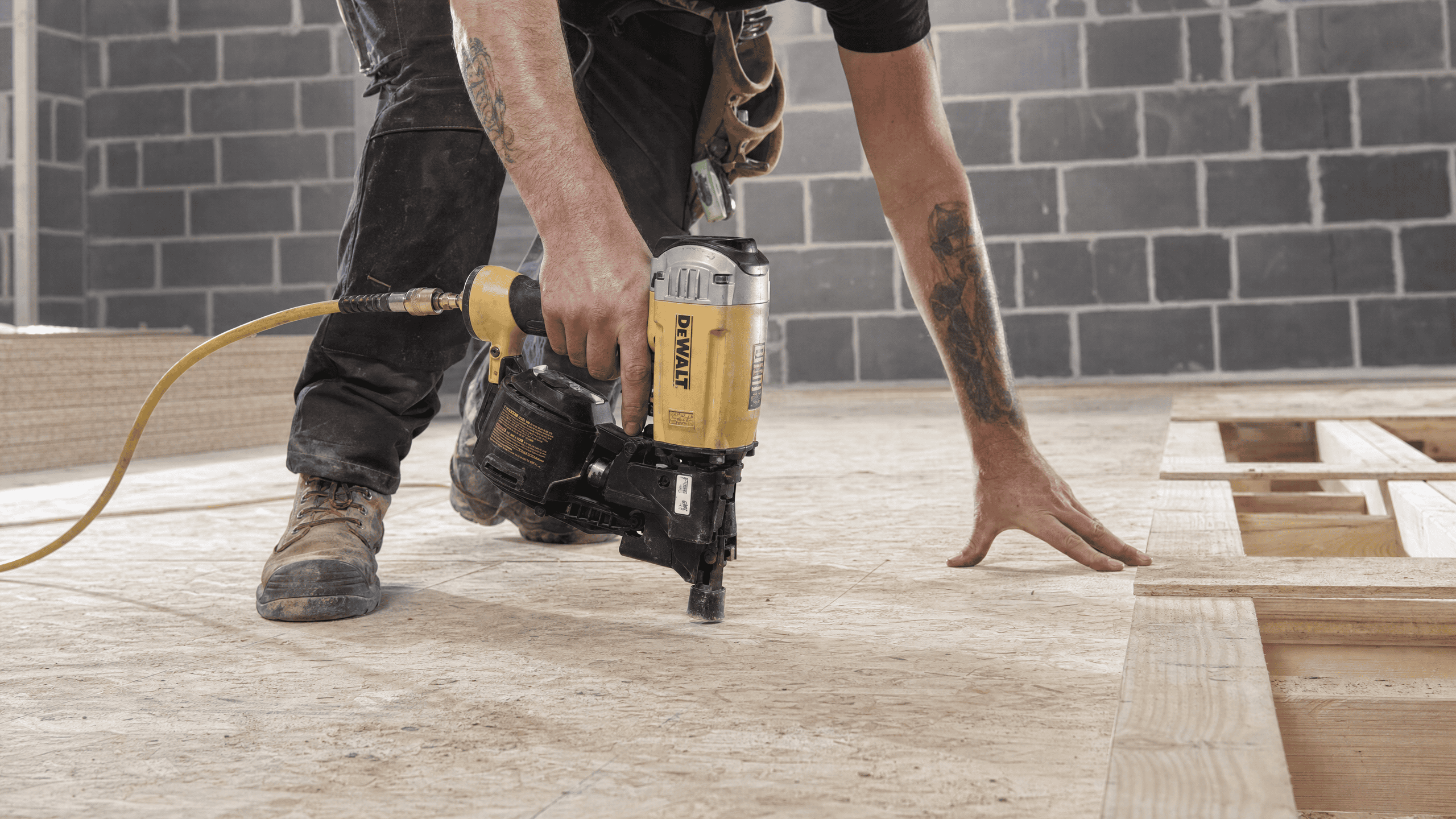
What is a coil nail gun?
When looking at structural construction tools, you might ask: “What is a coil nailer used for on-site?” A coil nailer fires long bands of wire collated fasteners housed inside a durable, impact-resistant circular canister drum.
This layout provides an important benefit when comparing a coil nailer vs strip nailer (which we discuss later). The deep drum minimises magazine reloads during heavy industrial work, making it an ideal nailer system for high-speed industrial assembly.
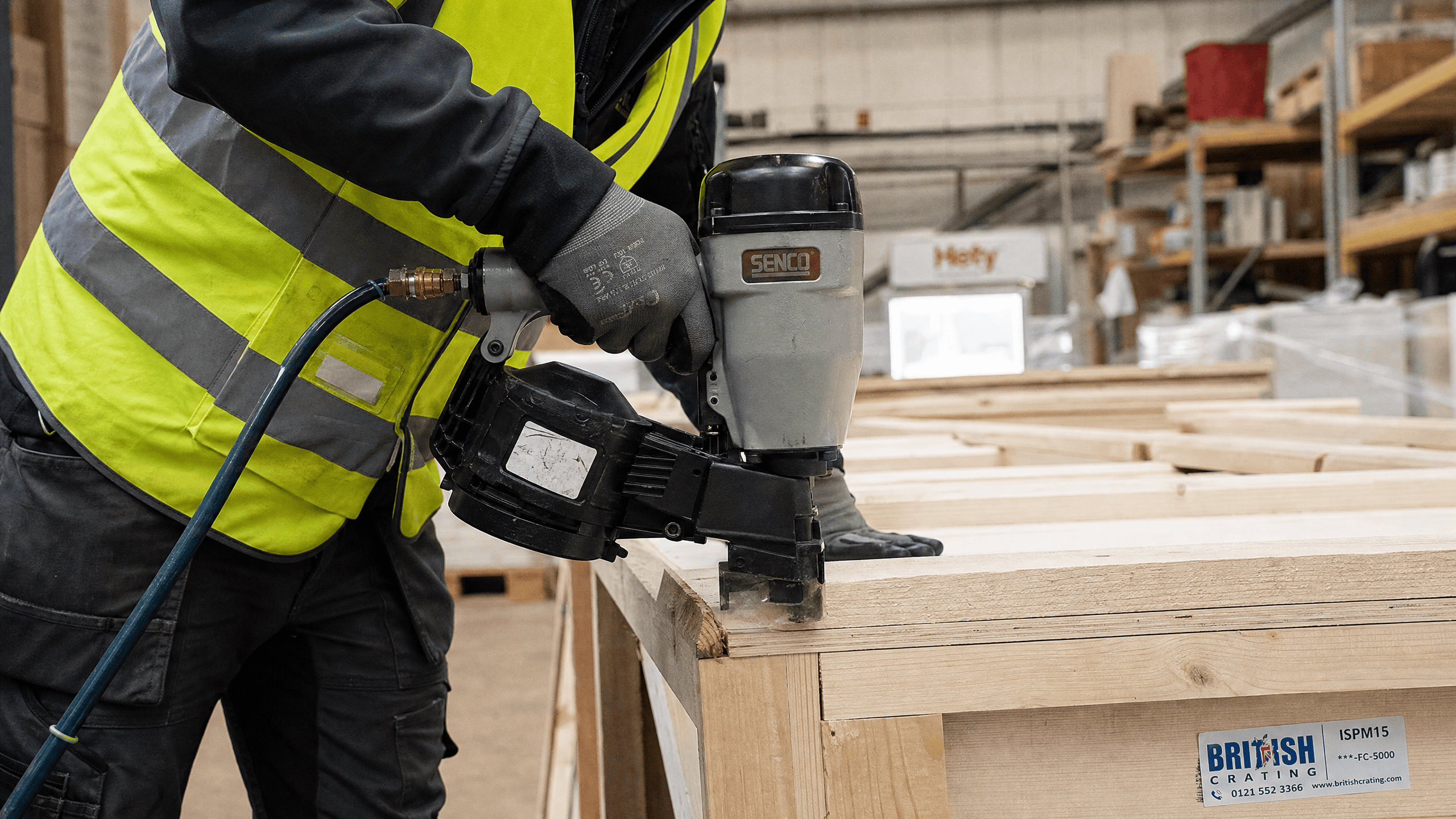
What is a coil nailer used for?
Listed below, we analyse some of the most popular coil nailer specific applications:
- Agricultural buildings construction – erecting tough external timber structural cladding for large agricultural grain stores to resist harsh winter weather
- Boundary fencing – nailing durable timber pales continuously along expansive highway perimeters using high-capacity round wire welded coil magazines
- Crate manufacturing – assembling industrial timber transit crates quickly, minimising worker fatigue during demanding multi-shift warehouse production schedules.
- External timber cladding – fixing external timber cladding boards cleanly without leaving marks, protecting against moisture ingress in wood and surface rust
- Floor joist installation – driving heavy ring shank fasteners repeatedly into thick engineered parallel strand lumber floor beams all day long
- Garden panel fencing – fabricating closeboard garden fencing panels quickly inside covered assembly workshops during high-demand spring manufacturing seasons
- Garden wooden shed assembly – tacking thin tongue and groove timber boards together precisely to form weather-tight garden outbuildings and storage workshops
- Modular home construction – joining heavy structural timber framework panels at maximum production line speeds inside factory environments to lower costs
- Roof deck sarking – nailing structural ply decking sheets across steep rafters rapidly illustrates the variance in overall loading speeds
- Roof truss assembly – securing heavy metal connector plates onto structural roof timbers using high-pressure pneumatic strip tools or drum systems
- Timber frame construction – carcassing heavy timber building frames continuously on site to reduce total structural framing assembly time and cost
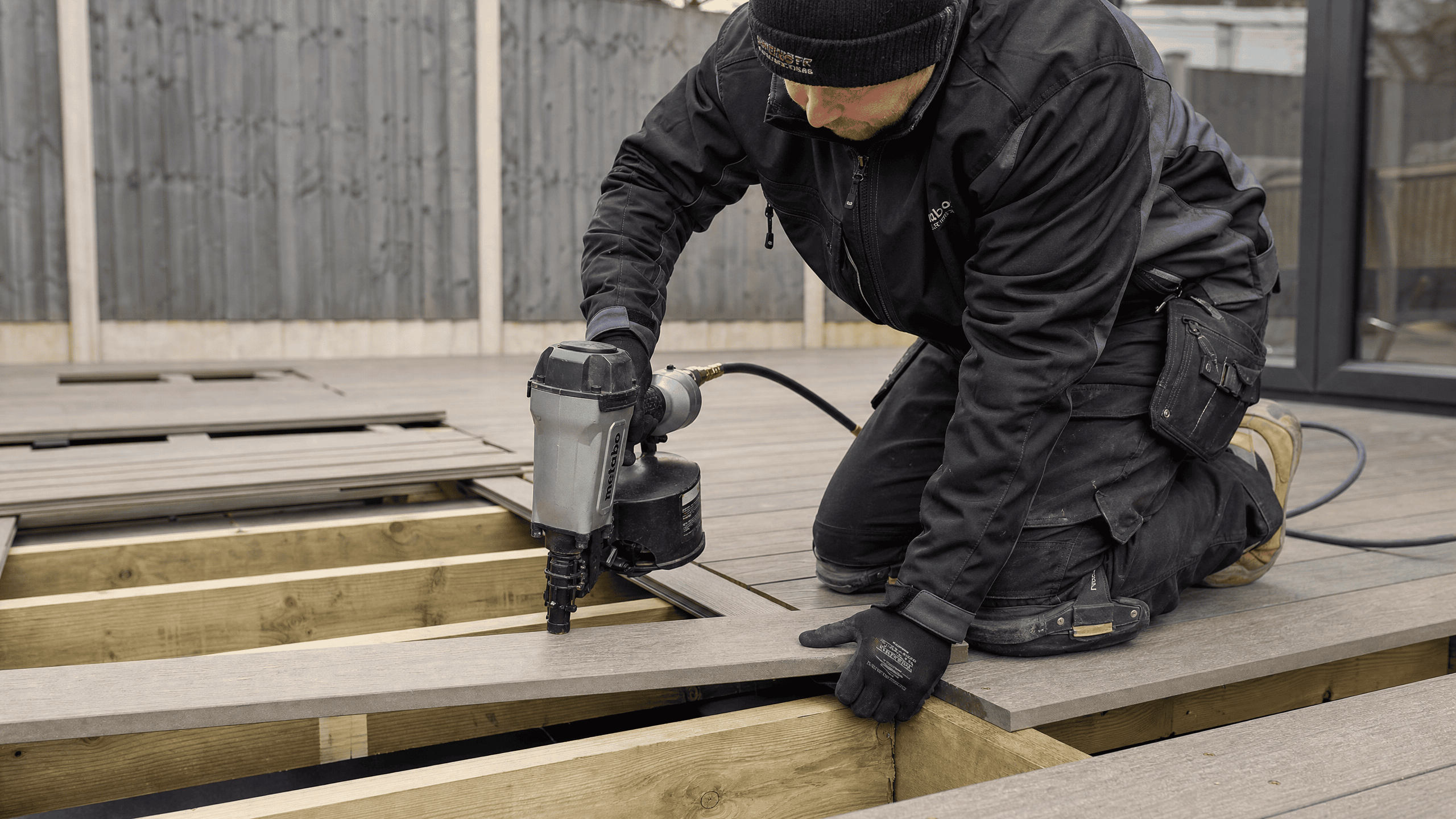
The above are some of the most popular coil nail applications. Other possible uses include industrial pallet assembly, OSB sheathing, packing case assembly, plywood sheathing, subfloor installation, timber case manufacturing and timber decking installation. There are others too, a coil nailer is a powerful and versatile tool!
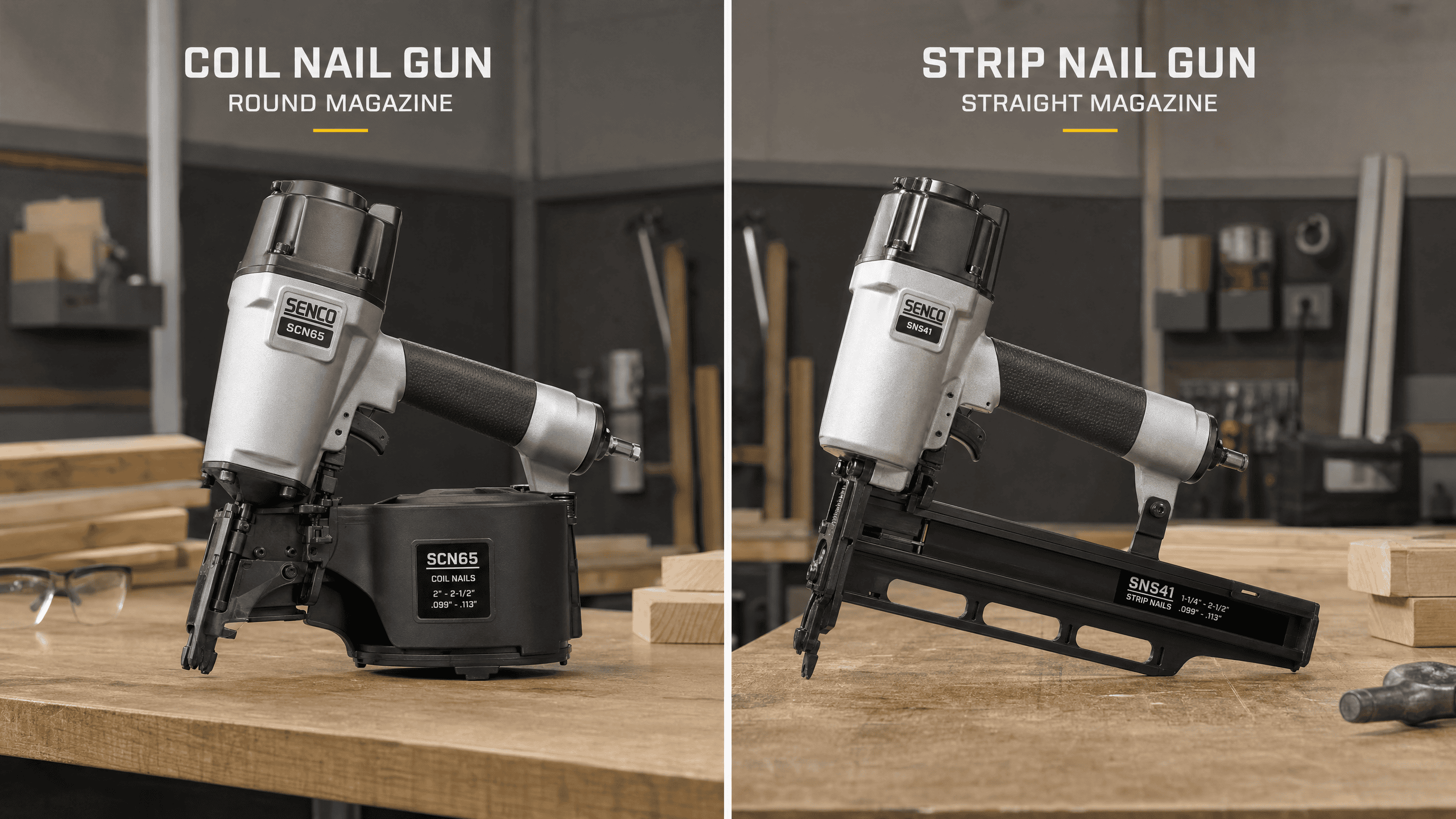
Key features – coil nailer vs strip nailer compared
We are often asked about how to compare coil nailer versus strip nailers. This features comparison will help to develop an understanding.
| # | Feature | Coil Nailer | Strip Nailer |
| 1. | Cladding work | Outstanding option for securing extensive runs of external shiplap boards quickly | Rarely used for continuous cladding due to constant loading disruptions |
| 2. | Collation material type | Uses plastic strip or wire collated bands to secure fasteners | Uses paper tape or thin plastic strips to connect nails |
| 3. | Component balance in hand | Bulky configuration but delivers balanced weight when pointing straight down | Excellent natural balance when tilting the nose at steep angles |
| 4. | Magazine capacity | Holds up to three hundred fasteners to reduce loading interruptions | Holds around eighty nails, requiring more frequent reloading times |
| 5. | Industrial sheds assembly | Highly efficient for rapid, high-volume production lines in timber workshops | Better suited for smaller custom framework builds on site |
| 6. | Main timber applications | Preferred for manufacturing commercial shipping pallets and heavy garden fencing panels | Standard choice for first fix residential timber frame carcassing tasks |
| 7. | Outer shell footprint | Features a wide, round canister body that needs workspace clearance | Compact, narrow magazine profile that fits between tight rafters easily |
| 8. | Primary fencing work | Ideal for building boundary runs without encountering constant mechanical delays | Rarely used for long agricultural fence runs due to capacity limits |
| 9. | Structural roofing tasks | Commonly deployed for fast installation of external ply sarking boards | Used mainly for quick rafter pinning rather than main decking |
| 10. | Trade site productivity | Minimises reload downtime completely on high-speed commercial timber installations | Higher reload frequencies can restrict overall daily workshop speed |
Benefits to expect when you buy a coil nailer
Upgrading to a coil nailer delivers numerous benefits, such as:
- Compact tool dimensions – the round magazine drum allows a much tighter chassis profile compared to straight framing tools
- Drastically reduced downtime – large capacity drums hold hundreds of wire-collated fasteners to ensure your site teams keep working continuously
- Enormous cost efficiency – buying coil nails in bulk quantities saves costs compared to small paper strip boxes
- Flawless surface finish – integrated mechanical nose dials provide absolute control over your flush-countersinking depth across different timber densities
- Less physical strain – balanced ergonomic weight distribution prevents extreme operator muscle fatigue during demanding day-long roof decking shifts
- Massive payload capacity – loading up to four hundred round-head nails at once easily makes this the best coil nailer configuration
- Outstanding structural strength – coil nailers drive thick ring shank nails that lock firmly into seasoned timber to prevent pull-out failures
- Weatherproof trade reliability – hardened internal driver blades handle relentless driving force on wet external sites without encountering mechanical blockages
Which is the best coil nailer to buy?
Selecting the most appropriate coil nailer depends on your current types of projects. Your choices are fuelled by shifting client demands and the regular types of jobs you do. Below are three powerful coil nailers to consider from the Betco Fasteners range:
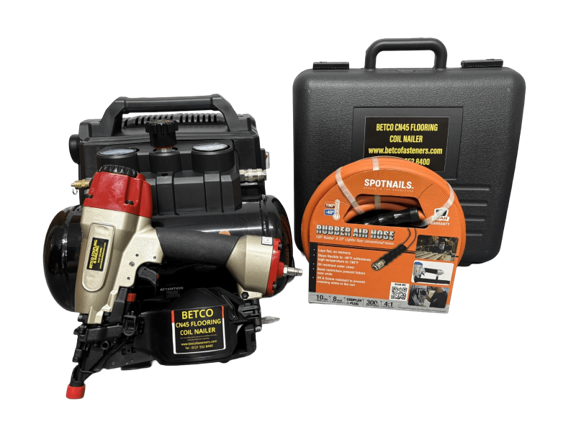
Betco CN45 Flooring Coil Nailer & Compressor Kit (110V)
This complete operational package is an excellent, reliable choice for flooring contractors regularly preparing sub-floors with hardboard or plywood sheets. The trade kit includes a low-noise air compressor alongside a robust pneumatic tool. It drives plastic-collated fasteners up to your required length smoothly. It streamlines every sub-floor project effortlessly.
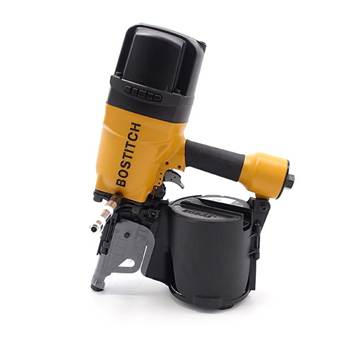
Bostitch N512C-2-E Air Heavy Duty Coil Nailer (100-130mm)
When you build heavy timber structures or heavy pallets, this pneumatic tool provides incredible driving energy. The aluminium body features integrated steel frame protectors to combat site wear. This coil nailer features a reliable dust guard to protect internal components during long timber frame jobs. It handles a lot of extra-long nails up to 130mm. You will see how it speeds up massive timber framing construction runs.
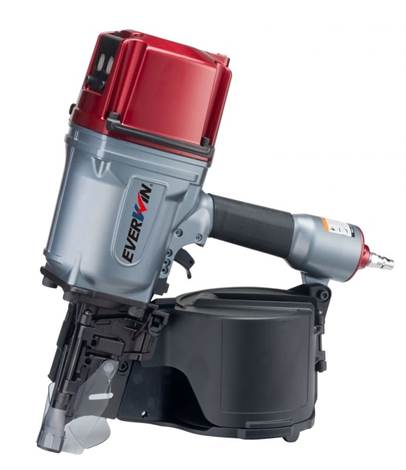
Everwin PN100 Heavy Duty Industrial Coil Nailer (65-100mm)
This industrial-grade wire-collated tool is built for high-speed pallet manufacturing and heavy export crate building. It features a highly durable metal nail tray alongside a protective secondary safety handle. The fast cycle time helps when installing timber siding boards on major jobs. Using the best coil nailer configuration keeps your workshop output high. It handles a massive number of tough structural fastening tasks smoothly.
Contact us
Having read this article, we hope you can now buy the best coil nailer to suit your needs. Our team is here for further professional advice on selecting a nail gun, including topics such as features, stock availability, delivery timescales, VAT and the difference between brands.
Contact methods available are:
- By phone – 0121 552 8400
- By email – send questions to sales@betcofasteners.com
- Contact form – our contact us page can be used to send us a comment