
What Is a Second Fix Nail Gun? Second Fix Nails & Uses Explained
On this page18 sections
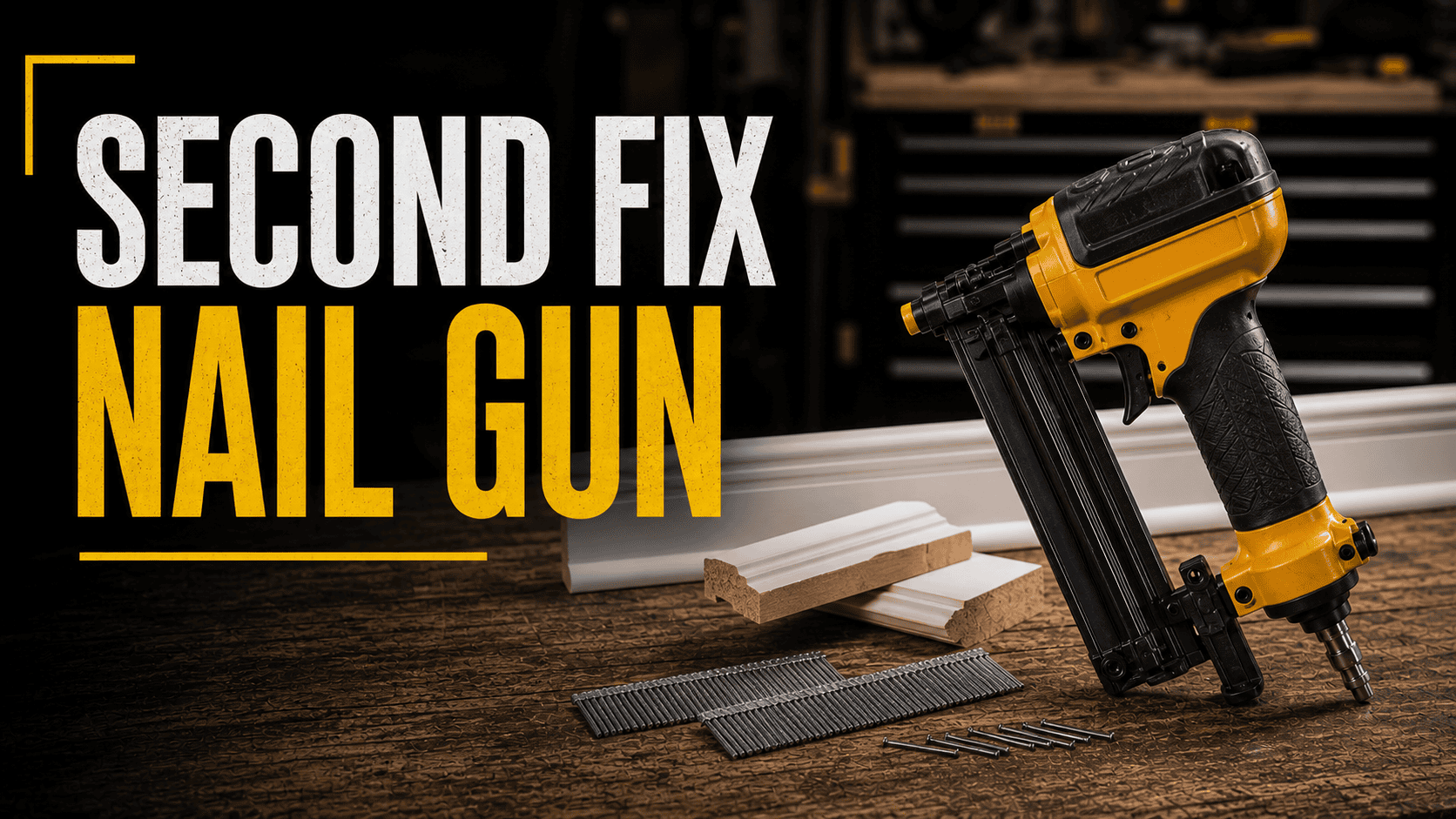
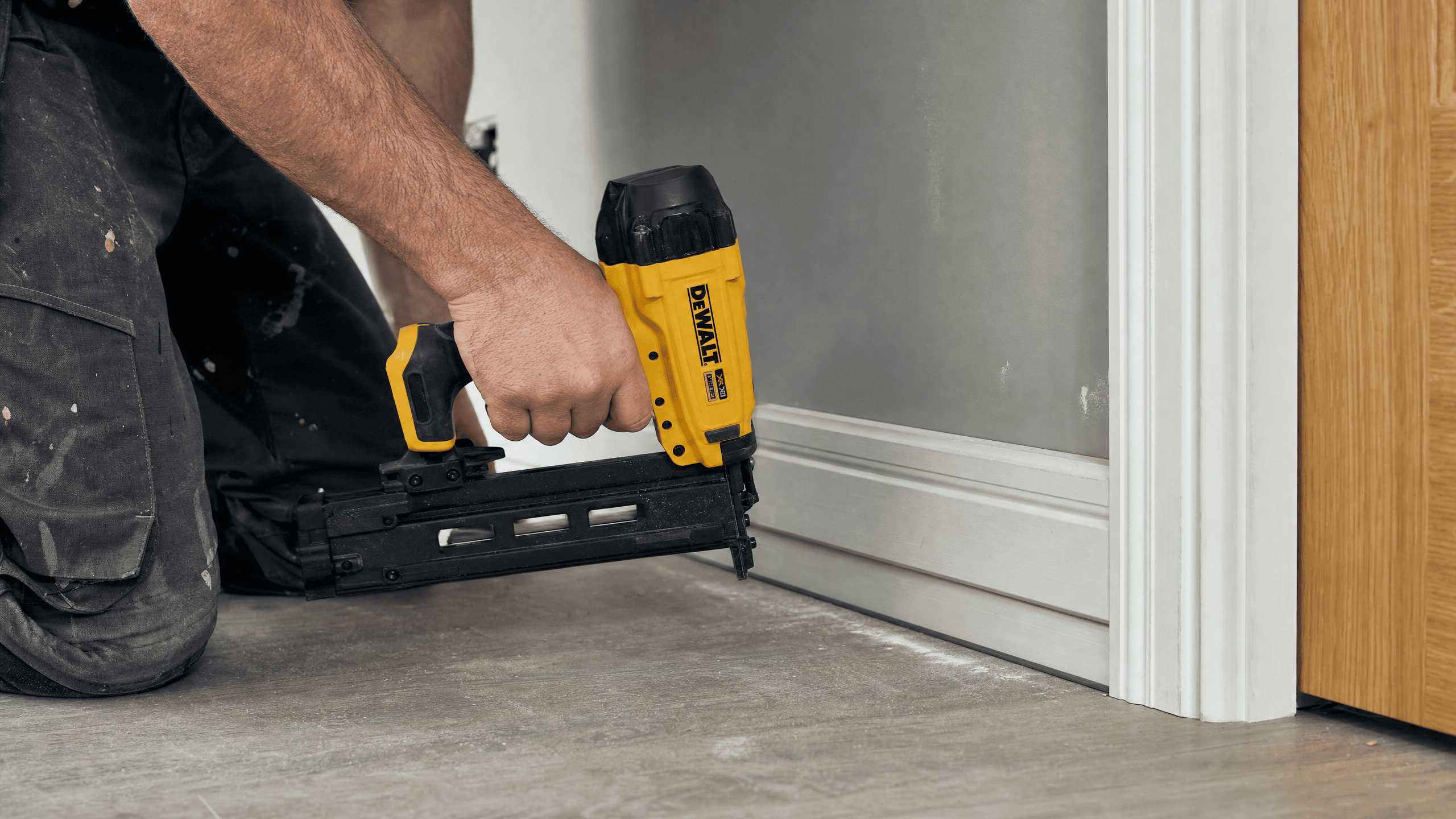
Mastering a modern finish nailer is the secret to completing immaculate interior trim installations quickly and efficiently on busy projects. Second fix nailers are designed specifically to provide reliable holding power in dry internal environments where precision is paramount. Typical applications include installing skirting boards, cabinetry, mouldings, door installations and other uses too.
These secondary tools utilise slender wire brads, pins, and nails with tiny heads that sink completely beneath the face of the wood. This fine profile leaves a minuscule entry point, allowing your final filler and paint trim to blend seamlessly. This comprehensive guide breaks down second fix nailer tool technology, fastener lengths, essential on-site applications for tradespeople and advice about buying the right nail gun.
What is a second fix nail gun?
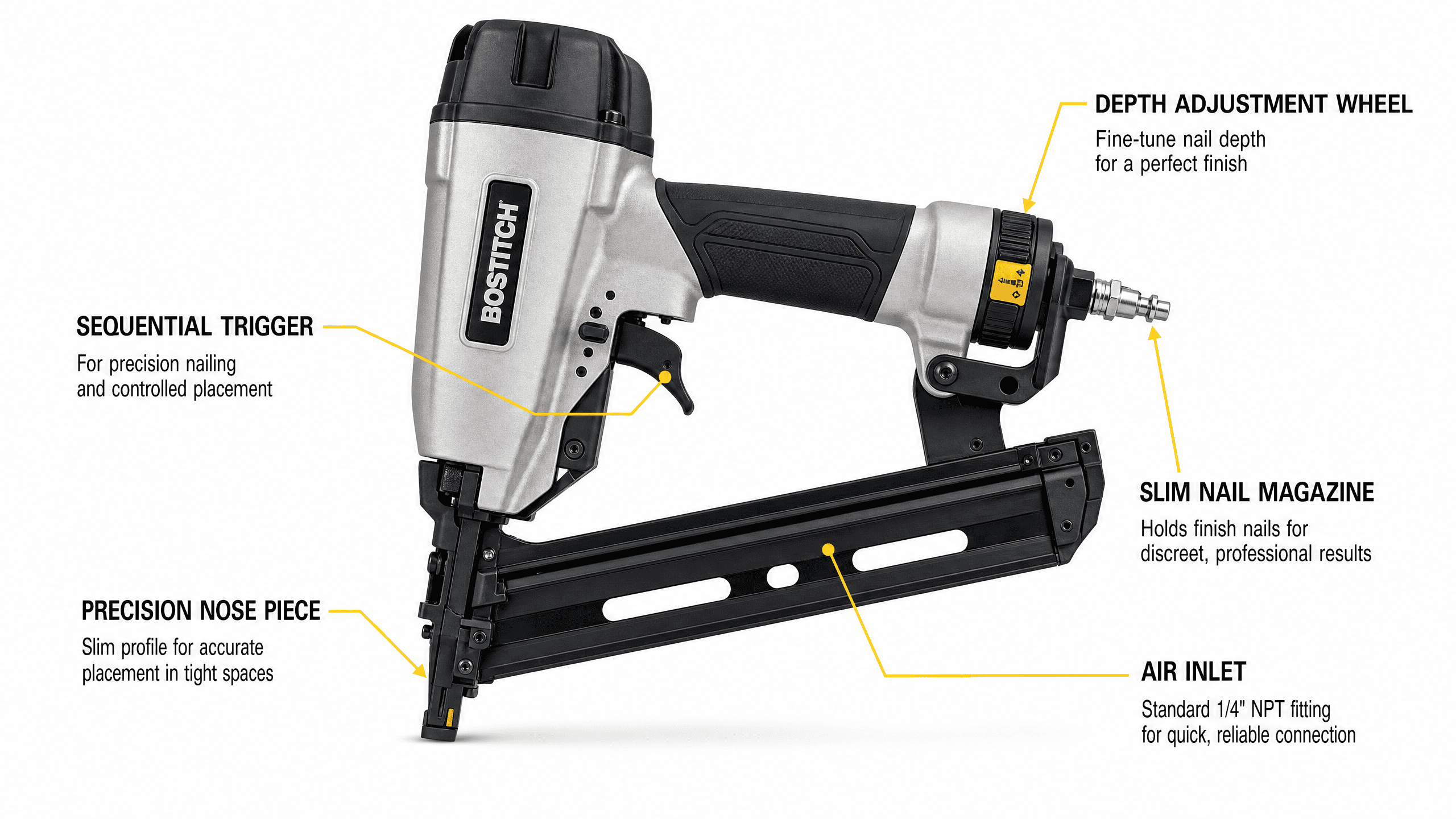
A second fix nail gun is vital for any clean internal carpentry job. Second fix nail guns provide faster installation times compared to a manual hammer (or a traditional screw) and can drive up to 10,000 nails per charge. As opposed to a heavy first fix nail gun, a 2nd fix gun finishes highly visible internal woodwork neatly. The tool uses much thinner fasteners to secure delicate skirting boards and door frames cleanly. A smooth, precision nosepiece protects fine timber profiles from ugly surface bruises on-site.
Operators use a handy depth adjustment wheel to countersink brad nails perfectly every single time. A safety trigger allows for exact placement on detailed building furniture contracts. The compact straight nail magazine feeds fine wire pins flawlessly through the internal drive channel. If running a pneumatic setup, a standard air inlet connects the lightweight chassis to your hose. A second fix nail gun creates a vastly cleaner finish across all your delicate internal finishing work.
What are second fix nails?
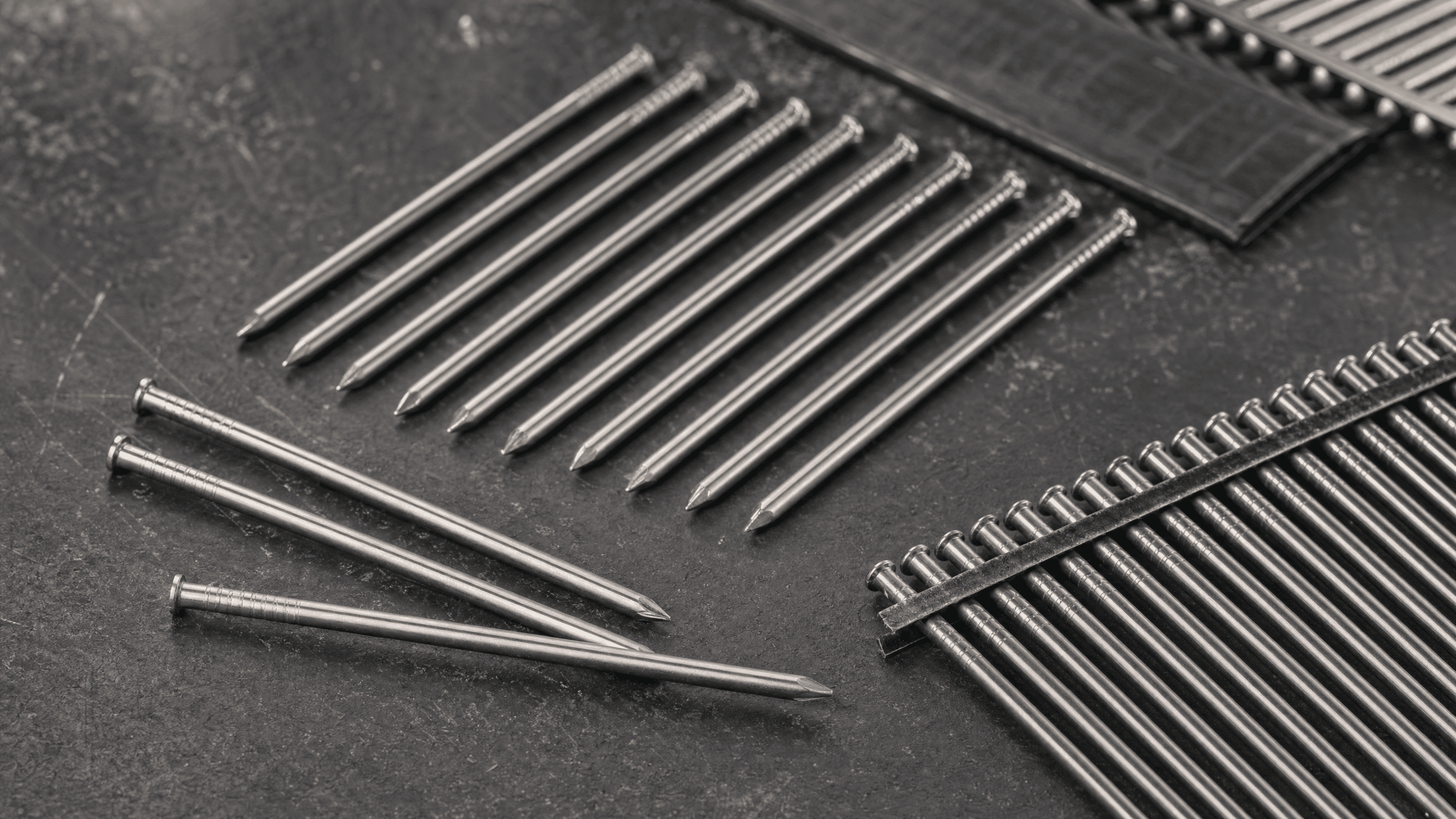
In internal construction, choosing second fix nails over heavy roofing framing fasteners comes down to structural requirements. Second fix guns tend to use 16 or 18 gauge brad nails for finer work. They do lack the sheer holding power of larger nails, but they excel at securing lightweight interior trims.
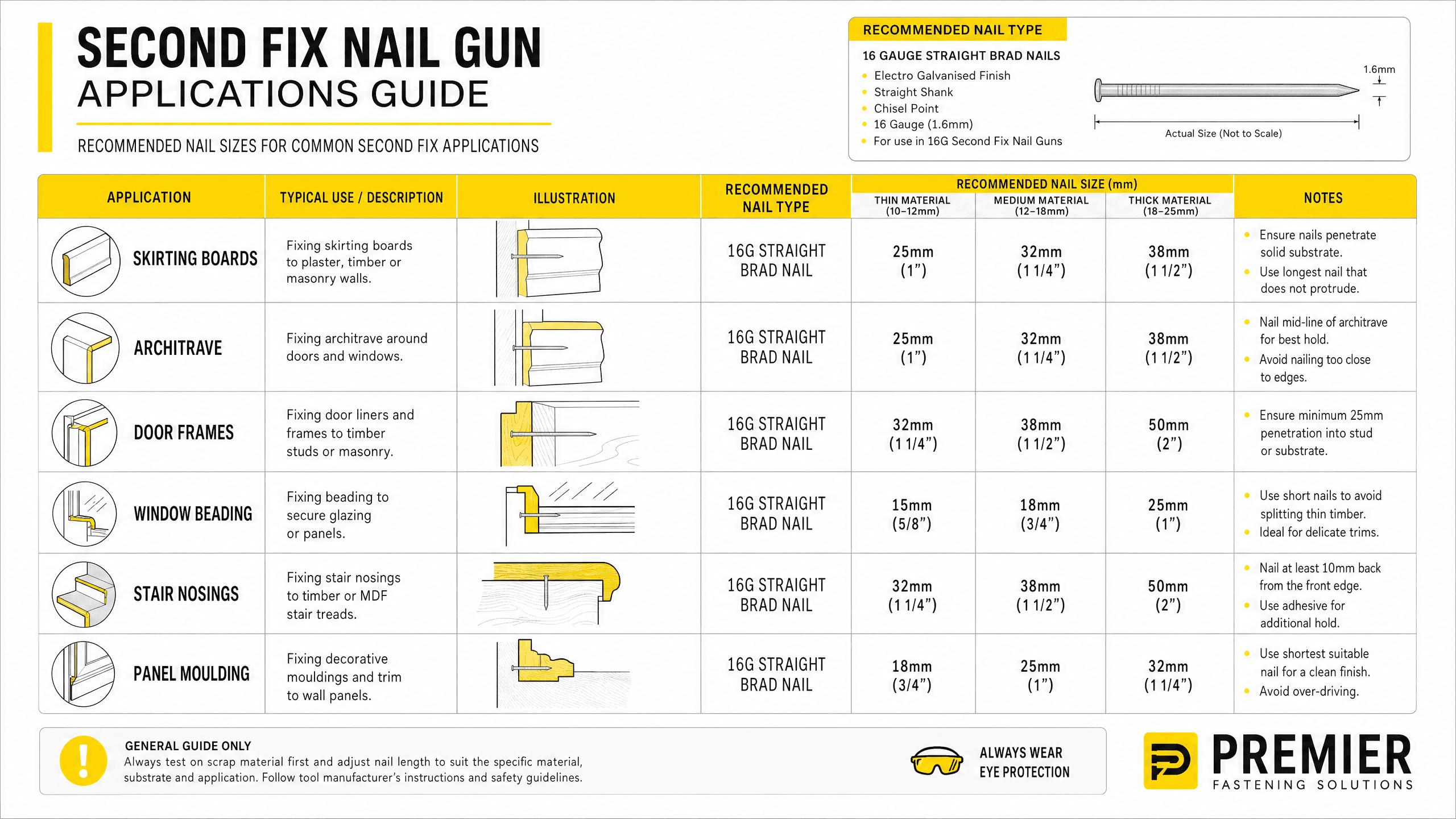
Second fix nails cause less splitting in wood due to thinner nails. They accommodate nails, generally ranging from 16mm to 64mm in length. Second fix nailers leave very small holes that are easy to fill and paint over. The no-mar tips prevent marking painted or finished surfaces. They are referred to as finish pins because they handle final visible items like architraves and skirting boards perfectly.
Most site carpenters fire these slender nails with a pneumatic nailer connected to a portable site air compressor. Source: 57.1% of the global market is pneumatic nailers, according to this Future Market Insights report. Alternatively, modern cordless gas tools provide excellent mobility when you need to carry your kit up high scaffolding towers. They ensure your final decorative mouldings stay secure without ruining the clean visual look of the modern house.
Comparing second fix vs first fix
This is the second article comparing second fix vs first fix nailer technology. We have covered these different stages in our article “What Is a First Fix Nail Gun? First Fix Nails & 1st Fix vs 2nd Fix Nail Guns Compared?”[AH1] This includes detailed sections:
- First fix vs second fix explained
- Table – When to choose a 1st fix vs 2nd fix nail gun
Step-by-step guide to using a second fix nail gun
Following the correct on-site procedure with your 2nd fix finishing tool guarantees clean results and total user safety:
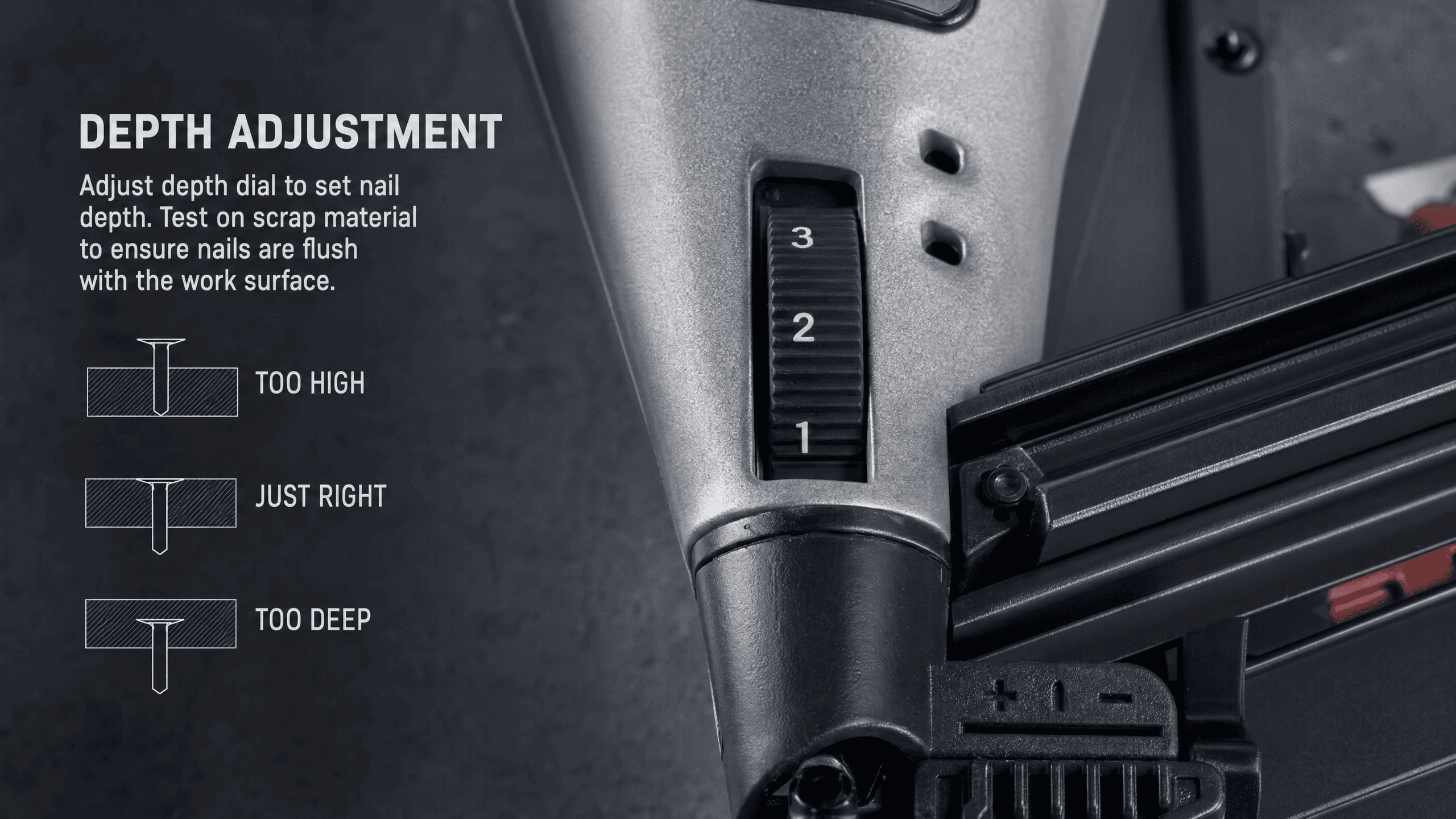
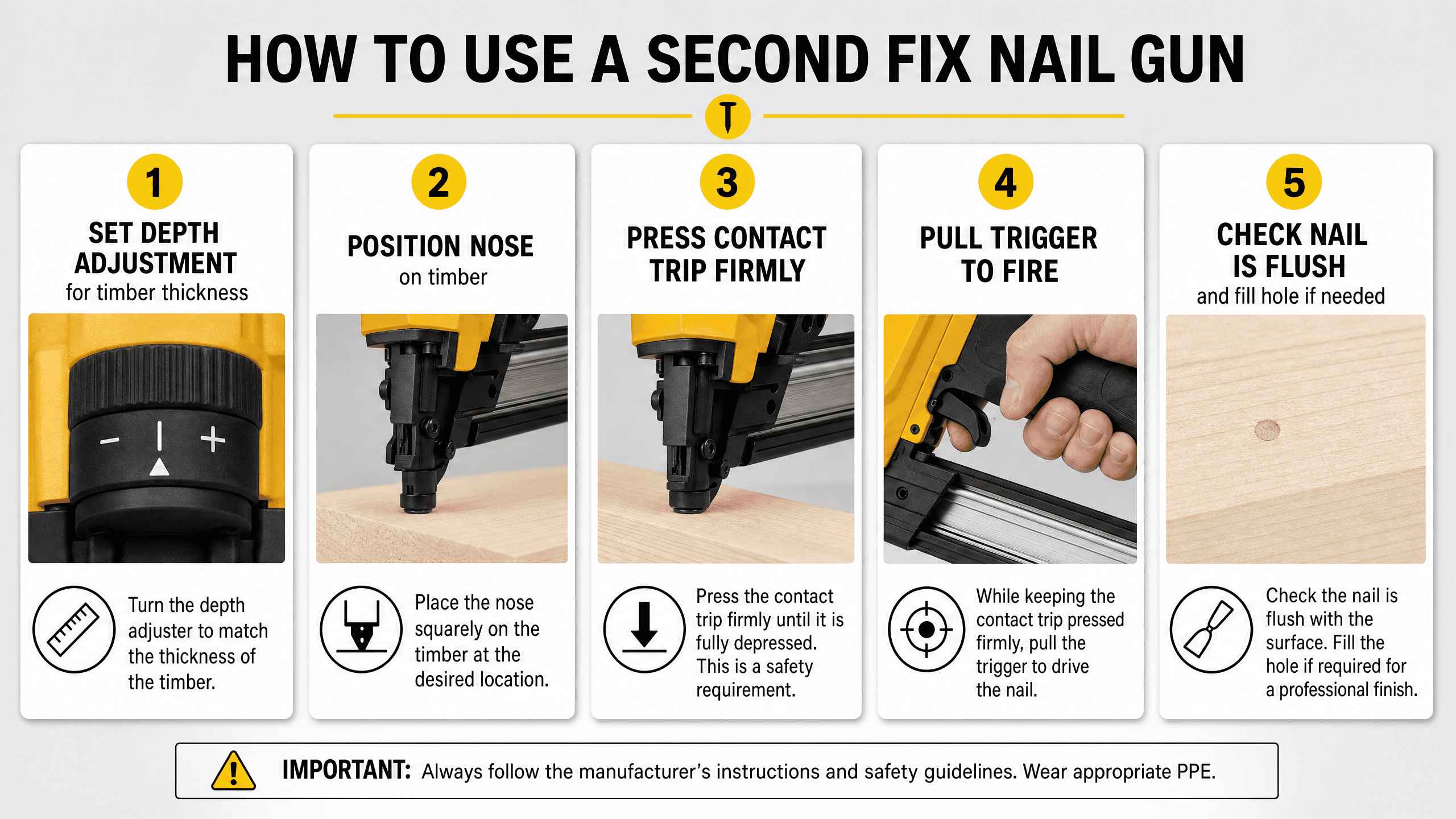
- Set depth adjustment – adjust the driving power to suit your specific timber profile depth. This prevents your fine pins from over-penetrating the wood
- Position nose – depress the nose contact trip firmly against the trim surface. The tool will not fire until you complete this step
- Press contact trip firmly – ensure the metal pin sits flush with your timber casing. A clean entry point means less filling work for decorators
- Pull the trigger to fire – place the nose piece precisely where you need the fixing. This tool fires smaller nails compared to heavy framing gear
- Check the nail is flush – squeeze the trigger to activate the drive blade. Keep your hand steady to guide the fastener perfectly straight every time
Popular second fix applications
Understanding “What is a second fix nail gun?” helps you select the ideal finish nailer for the job. This equipment manages visual timber accents flawlessly; potential applications include:
1) Architrave & door frame finishing
Apply decorative architrave casings around internal masonry openings quickly. This fine finishing gun countersinks small pins neatly so painters have an incredibly clean, paint-ready timber face with a seamless surface finish.
2) Built-in furniture assembly
Secure premium visual trims to bespoke workspace storage units perfectly. These fine-gauge nails provide exceptional holding power inside dry internal rooms and timber garden offices.
3) Cabinetry installations
Install delicate crown mouldings and display cabinet light rails cleanly. These smart cordless nailers let you manoeuvre into tight corners easily without trailing heavy air lines or compressor hose lines.
4) Dado rail fixing
Fix horizontal decorative chair rails across dining room walls precisely. The neat tool provides an excellent alternative to using a traditional claw hammer on delicate decorative pieces.
5) Door stop mounting
Attach thin timber stops inside finished door linings cleanly. The tool drives slender fasteners perfectly straight to ensure interior door latches align with total precision.
6) MDF wall panelling
Install modern geometric feature walls using pre-cut sheet strips smoothly. The low-recoil tool guarantees that each individual joint aligns tightly across the flat plasterwork surface.
7) Picture rail fixing
Mount traditional wooden hanging profiles directly to internal partition studs. Unlike heavy framing nailers, this lightweight tool will not crack fragile vintage lime plaster layers.
8) Plinth block attachment
Fasten heavy feature block mouldings right at the base of your internal door casings. This process ensures a tidy visual transition above your room’s skirting boards.
9) Skirting board fitting
Fix decorative timber baseboards securely to hidden wall framing battens. These fine second fix nails sink cleanly beneath the surface for quick filling and sanding.
10) Stair trim installation
Nail decorative scotia mouldings under timber stair treads securely. The compact, angled nose design reaches a bit deeper into tight corners where standard tools cannot fit comfortably.
11) Window trim installation
Secure internal wooden window sills and finish the reveal liners tightly. This neat finishing touch ensures a professional look around highly visible timber window frames on site.
Conclusion
Understanding “What is a second fix nail gun” compared to first fix guns is crucial when fitting decorative flooring trims or internal casings. This applies whether you are a professional carpenter or a passionate DIY enthusiast. Modern internal finish materials require absolute precision to prevent wood splitting.
For maximum structural security, experience suggests it is advisable to match your tool to the timber depth. Getting this right means your fine second fix nails will vanish completely under paint.
Contact information
If you are still struggling to grasp “What is a second fix nail gun?” we can help. Do you need help choosing the right fastening setup for your trade job? It does not matter if you need a high-pressure air compressor or a fine gauge brad nailer. Our website stocks a vast range of cordless nailer options for sites operating without 110v mains electricity.
Buying the correct tool is essential for pristine construction handovers. We can guide you to a tool that is perfectly suitable for your timber thickness. Reach our trade counter by phone on 0121 552 8400. Alternatively, send an email to sales@betcofasteners.com today. You can also use our online contact form to send an enquiry directly.